


Vector-borne viral pathogens frequently present with indistinguishable clinical symptoms during initial presentation. Choosing an appropriate chikungunya diagnostic test requires methodologies capable of identifying active viremia before adaptive immune responses fully develop.
Rapidly differentiating these acute infections remains a core challenge for modern clinical laboratories worldwide. Healthcare providers must balance analytical speed against clinical sensitivity when managing patients presenting with acute febrile illness. Accurate identification during the initial days of symptoms prevents misdiagnosis and directs appropriate therapeutic pathways.
Chronological Limits of Serology in Acute Arboviral Presentations
Serological assays detecting immunoglobulin antibodies often fail to confirm infection during the first week of symptom onset. Patients require adequate time to mount a measurable humoral response, leaving a dangerous diagnostic gap during early acute stages.
Relying exclusively on antibody testing risks delayed clinical intervention when viral loads peak in the bloodstream. Consequently, medical laboratories managing suspected arboviral cases must look beyond conventional serology to capture pathogens promptly.
Public health surveillance data consistently demonstrate that early viremia precedes seroconversion by a significant margin in vector-borne diseases. Laboratories attempting to isolate virus particles through traditional culture methods face prohibitive turnaround times and biosafety constraints.
Therefore, molecular strategies have largely superseded traditional culture and slow serological methods in reference facilities. Understanding these chronological constraints helps laboratory directors select effective analytical platforms for urgent diagnostic demands.
Molecular Amplification Pathways for Early Infection Detection
Targeted nucleic acid amplification directly identifies viral RNA while pathogens circulate freely in patient specimens. Implementing a reliable chikungunya diagnostic test based on real-time PCR technology bypasses the physiological delay inherent in antibody formation.
Molecular detection methods identify specific genetic sequences within days of symptom manifestation, matching the critical window for patient management. This direct approach eliminates cross-reactivity issues commonly encountered with closely related flaviviruses and alphaviruses during serological screening.
Advanced thermal cyclers execute precise temperature profiles to denature template strands, anneal specific primers, and extend fluorescent probes efficiently. Real-time monitoring allows technicians to quantify viral load dynamics throughout active infection phases.
High analytical specificity ensures that non-target genetic material does not interfere with amplification reactions. BioPerfectus integrates these robust molecular principles into comprehensive testing frameworks designed for clinical utility.
Navigating Co-Circulating Vector Threats with Multiplexing
Clinical laboratories dealing with co-endemic regions face additional challenges when symptoms overlap among multiple circulating mosquito-borne threats. Patient management improves significantly when workflows incorporate multi-pathogen screening tools that evaluate several viral targets simultaneously.
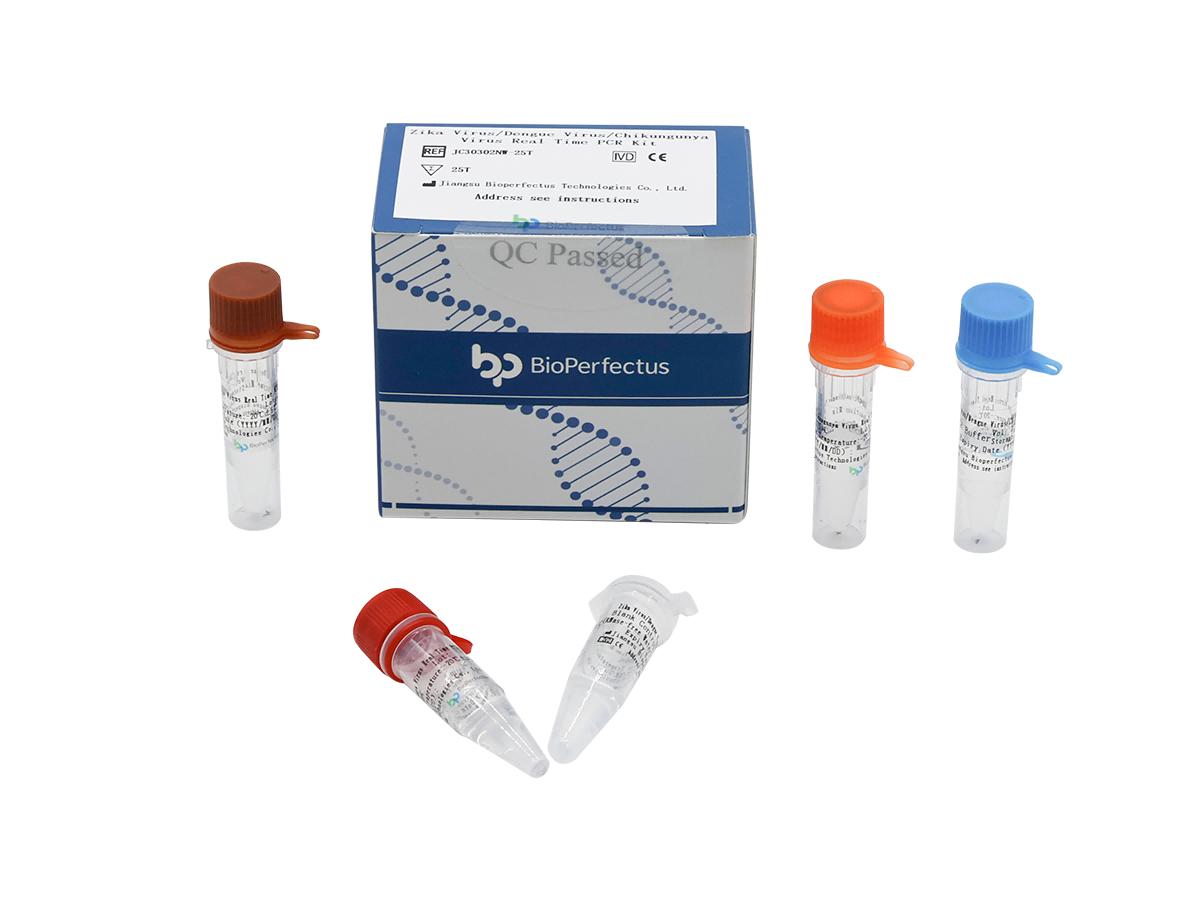
Deploying a comprehensive Multiplex PCR Test for Zika, Dengue & Chikungunya streamlines processing by detecting distinct RNA targets in a single reaction. This triplex format allows clinical facilities to differentiate co-infections without expending scarce specimen volumes.
Geographic overlap between Aedes-vectored pathogens creates complex diagnostic dilemmas for clinicians working in tropical zones. Patients presenting with sudden high fever, arthralgia, and myalgia could harbor any number of arboviral agents concurrently.
Utilizing advanced multiplex technologies removes the guesswork associated with sequential single-target testing algorithms. BioPerfectus supports these demanding surveillance networks by engineering adaptable multi-target solutions that perform reliably under high-throughput conditions.
Sample Matrix Selection and Specimen Integrity
Accurate molecular identification heavily depends on selecting appropriate clinical specimen types during the acute phase of illness. Laboratories must process suitable matrices, including human serum, EDTA whole blood, and cerebrospinal fluid samples, under optimized extraction parameters.
Utilizing validated collection guidelines prevents target degradation and preserves analytical sensitivity throughout the testing process. Pre-analytical handling errors can severely compromise nucleic acid recovery, highlighting the need for strict adherence to standardized protocols.
Proper sample preservation temperatures and timely transport logistics remain critical factors for maintaining viral RNA stability in transit. Laboratories equipped with the Zika Virus / Dengue Virus / Chikungunya Virus Real-Time PCR Kit can process diverse clinical matrices smoothly.
This flexibility accommodates varied patient presentation sites, ranging from outpatient clinics to intensive care units. Standardized specimen preparation protocols minimize variability between different testing shifts and operators.
Streamlining Clinical Decision-Making and Laboratory Efficiency
Consolidating distinct viral evaluations into a single tube minimizes consumption of limited clinical specimens and reduces turnaround times. BioPerfectus engineered these versatile molecular assay formats to support high-precision identification across complex vector-borne presentations.
This efficiency helps facilities manage high sample volumes without compromising diagnostic accuracy or overwhelming technical staff. Implementing high-performance screening tools directly correlates with reduced hospital stays and appropriate patient cohorting.
Adopting comprehensive nucleic acid screening protocols empowers healthcare providers to initiate targeted patient care without waiting for convalescent-phase antibody titers. Utilizing a validated chikungunya diagnostic test ensures that public health agencies track emerging outbreaks with high fidelity.
Furthermore, incorporating a reliable Multiplex PCR Test for Zika, Dengue & Chikungunya enhances regional epidemiological surveillance capabilities significantly.
Continuous innovation in molecular diagnostic manufacturing drives unprecedented improvements in clinical laboratory workflow productivity. Facilities that adopt integrated multi-pathogen testing platforms position themselves at the forefront of modern infectious disease diagnostics.
Integrating the Multiplex PCR Test for Zika, Dengue & Chikungunya into routine clinical algorithms secures long-term diagnostic reliability across diverse medical settings.
