


Solar pumping equipment must operate under changing sunlight, water demand, and hydraulic conditions. Selecting compatible components requires careful attention to electrical ratings, motor characteristics, and control functions. Inverter efficiency alone cannot determine whether a system will deliver sufficient water throughout its operating period.
For agricultural irrigation and remote water supply, matching a solar pump controller with suitable inverter technology involves several technical considerations. Buyers need to examine photovoltaic input, motor compatibility, protection functions, and performance monitoring before confirming equipment specifications.
Why Inverter Compatibility Matters in Solar Pumping
Solar panels generate different amounts of electricity as sunlight changes. Morning conditions, passing clouds, and seasonal variations can affect the power available for pumping. Inverters must manage these fluctuations while maintaining suitable motor operation.
Electrical compatibility begins with the relationship between photovoltaic output and motor requirements. Engineers should compare input voltage limits, rated motor current, output frequency, and operating conditions. These specifications determine whether the selected equipment can support the intended pumping application.
When evaluating a high efficiency inverter, conversion performance should be considered alongside motor control characteristics. Lower electrical losses can improve energy utilization, but incorrect operating settings may still reduce water delivery or increase mechanical stress.
Pump curves provide additional guidance. They show how flow rate, head, and operating conditions relate to pump performance. Matching these characteristics with inverter capabilities helps engineers establish practical operating limits.
Electrical Ratings and Pump Requirements
Motor nameplate information provides essential data for equipment selection. Rated voltage, current, power, and frequency should be compared with inverter specifications. Engineers also need to consider the motor’s permitted operating speed and expected load conditions.
Photovoltaic array configuration requires similar attention. Panel connections determine the available DC voltage, while temperature changes affect actual operating values. The array’s voltage range must remain within the inverter’s specified input limits.
For a high-frequency solar pump inverter, output frequency capabilities should match the motor and pump requirements. Higher frequency does not necessarily produce better pumping results. Excessive motor speed may increase mechanical loading and exceed the pump’s permitted operating range.
Installation conditions also influence electrical performance. Long cable runs can create voltage drop, while unsuitable wiring arrangements may affect equipment operation. Buyers should review cable specifications, protection requirements, and installation documentation before finalizing system design.
How Water Management Functions Affect Equipment Selection
Water availability is not always constant during pumping. Wells may experience falling water levels, while storage tanks can become full before the pumping period ends. Without suitable controls, these conditions can create operational problems.
Dry-run protection helps prevent pump operation when the water source becomes insufficient. Water-level control can stop pumping when storage capacity is reached. These functions are particularly relevant for remote agricultural sites where operators cannot continuously supervise equipment.
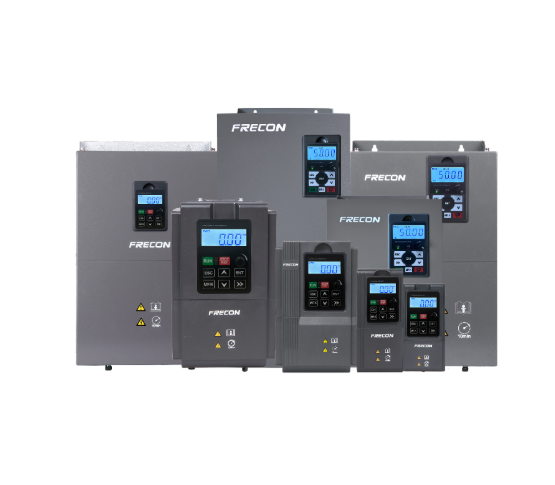
The PV500 Series Solar Pump Inverter from FRECON includes intelligent dry-run protection and water-level control. The inverter can automatically stop the pump when the water source runs dry or the tank becomes full. These functions help reduce equipment damage risks and unnecessary water waste.
Project engineers should also consider sensor placement and control arrangements. Water-level signals must correspond to actual source and storage conditions. Incorrect installation may affect the timing of pump shutdown and normal operation.
Operating Records Support Performance Evaluation
Daily pumping performance depends on available solar energy, operating duration, and hydraulic conditions. Equipment efficiency ratings provide useful information, but actual operating records offer additional insight into system behavior.
Energy generation data helps operators understand electricity production during pumping periods. Water flow records indicate delivered water volume, while operating hours provide information about equipment utilization and maintenance schedules.
The PV500 model from FRECON includes built-in recording functions for total power generation in kWh, cumulative water flow in cubic meters, and operating time in hours. These functions allow users to monitor important performance indicators during operation.
Recorded information can support routine system inspections. For example, declining water output under comparable operating conditions may indicate changes in water availability, pipeline resistance, or pump performance. Engineers can investigate these factors before adjusting equipment settings.
Different Pumping Conditions Require Different Settings
Agricultural irrigation, livestock watering, and water storage applications have different operating requirements. Equipment selection should reflect actual water demand, pumping schedules, and site characteristics rather than relying on general power ratings.
Deep-well applications require careful calculation of total dynamic head. Engineers should consider static water level, expected drawdown, pipeline losses, and required discharge pressure. These factors influence pump selection and operating conditions.
When assessing a high-frequency solar pump inverter, engineers should compare its frequency range with motor limitations and hydraulic requirements. Suitable settings depend on the connected equipment and expected water demand.
A solar pump controller should also provide functions appropriate for the installation. Buyers can review protection features, monitoring capabilities, electrical compatibility, and maintenance requirements when comparing equipment for different projects.
Practical Considerations Before Final Selection
Technical documentation should form the basis of inverter comparisons. Buyers need clear information about electrical limits, motor compatibility, operating functions, and installation requirements. These details help identify potential mismatches before procurement.
For a high efficiency inverter, conversion performance remains an important consideration. However, project teams should also examine water management functions and operating data. Similar efficiency ratings do not necessarily indicate identical suitability for a particular pumping system.
Equipment selection becomes more practical when electrical specifications are evaluated together with water demand and site conditions. For B2B procurement teams, this approach provides a clearer basis for comparing inverter options, reviewing supplier documentation, and planning reliable solar pumping operations.
