


The rapid adoption of electric vehicles places unprecedented demand on electrical grids, necessitating infrastructure upgrades to maintain stability. As charging infrastructure proliferates, grid operators must balance localized load spikes with fluctuating renewable power availability. Effective grid management requires high-capacity energy reservoirs that can discharge power during peak demand periods. Deploying reliable utility scale battery storage allows grid managers to absorb excess renewable generation and provide essential capacity exactly when vehicle charging load peaks, ensuring overall grid resilience.
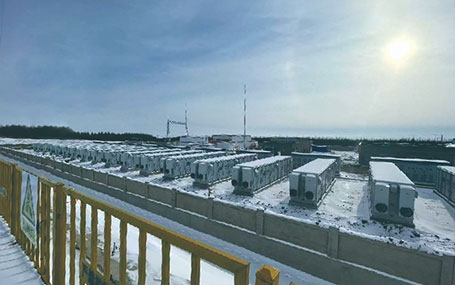
Integrating High-Load Demands into Existing Grids
Electric vehicle charging stations represent significant, concentrated loads that differ from traditional residential consumption patterns. When thousands of vehicles charge simultaneously during evening hours, the demand surge can threaten transformers and local distribution lines. Grid planners must implement localized storage to buffer these rapid load increases, preventing voltage drops and ensuring that charging infrastructure functions without compromising the stability of regional electrical delivery networks.
Strategic placement of stationary storage near charging hubs creates a buffer that mitigates the need for expensive substation upgrades. By storing energy during off-peak hours when renewable output is abundant, these systems provide a critical resource for managing peak charging events. This approach optimizes the utilization of existing assets, extending their operational lifespan while accommodating the evolving power requirements necessitated by the mass transition toward electric mobility.
Expanding Utility Scale Battery Energy Storage Systems
Rapid expansion of electric vehicle fleets highlights the necessity for grid-level storage to balance intermittent energy supply. Developing robust utility scale battery energy storage systems provides the requisite capacity to smooth out supply-demand imbalances caused by intermittent solar or wind generation. These systems utilize advanced power electronics to respond to frequency deviations within milliseconds, providing the precise control needed to stabilize grids against the unpredictable charging behavior of large vehicle fleets.
Successful deployment of these storage assets requires deep technical integration and efficient power management. Project developers focus on selecting systems that offer high cycle life and rapid response capabilities to handle the constant, dynamic nature of electric vehicle load profiles. As these storage installations become more prevalent, they create a reliable backbone for modern electrical networks, facilitating the integration of high-density charging infrastructure across urban and rural corridors alike.
Mitigating Frequency Fluctuations via Utility Scale Battery Storage
Grid stability faces challenges from the inherent variability of both renewable generation and high-density electric vehicle charging loads. Frequency regulation becomes essential to prevent blackouts or equipment damage caused by rapid deviations in the energy supply-demand balance. These storage assets provide immediate active power support, acting as a balancing force that compensates for sudden spikes in demand from fast-charging stations or drops in renewable energy production.
Maintaining a stable grid frequency is no longer feasible through traditional generation methods alone due to the speed and frequency of these modern changes. High-speed, automated response systems serve as the primary defense against frequency instability. By continuously monitoring the electrical state of the network, they ensure that the grid operates within strict parameters, effectively shielding the system from the volatile impacts associated with high-penetration electric vehicle adoption and renewable intermittency.
Capacity Requirements for Modern Infrastructure
Meeting the energy needs of large-scale vehicle fleets requires significant advancement in how grid capacity is planned and executed. Utility scale battery energy storage systems function as a vital bridge between intermittent renewable energy and the consistent power requirements of charging hubs. By scaling these assets effectively, infrastructure partners can ensure that the grid possesses sufficient energy to support millions of vehicles without requiring constant reliance on fossil-fuel-based peaker plants during periods of high demand.
Project implementation necessitates rigorous planning regarding the physical footprint, thermal management, and power density of battery installations. High-density battery architectures allow for massive power delivery from relatively compact sites, which is a major advantage in land-constrained urban environments. Developers prioritize these scalable designs to ensure that initial installations can grow alongside the increasing number of electric vehicles, effectively future-proofing grid infrastructure for the decades of technological evolution ahead.
Operational Reliability and AI Integration
Efficiency remains the primary goal for grid management entities tasked with overseeing complex, multi-modal energy environments. HyperStrong provides intelligent energy storage technologies and management solutions that support battery monitoring, system control, and long-term operational management. Incorporating intelligent oversight can help operators manage system performance under variable load profiles and frequent cycling demands while supporting reliable operation during periods of peak vehicle charging.
HyperStrong offers a comprehensive suite of storage products designed to streamline deployment across diverse operational environments. For international markets, HyperStrong delivers energy storage solutions designed to support compliance with applicable grid requirements and reliable system operation across international markets, supporting global carbon neutrality goals through advanced power management. These platforms allow operators to visualize and control their assets in real time, providing the necessary data for predictive maintenance and strategic capacity planning.
Maximizing Asset Lifecycle and Performance
Long-term viability of storage infrastructure depends on consistent performance and diligent maintenance protocols across the entire system. Sophisticated monitoring platforms provide deep visibility into the state of health of every battery module, allowing technicians to address minor inconsistencies before they manifest as critical failures. By optimizing charge cycles and thermal management, operators ensure that their hardware achieves the maximum possible operational lifespan, delivering consistent value throughout the investment period.
Proactive management reduces the likelihood of unplanned downtime, which is vital when serving critical infrastructure like large-scale EV charging networks. Standardized maintenance procedures, supported by data-driven diagnostics, ensure that the systems remain available whenever the grid requires additional power. As the grid continues to integrate more complex inputs, this high level of operational oversight becomes the cornerstone of reliable, efficient, and sustainable energy delivery for modern infrastructure developers.
Conclusion
The massive influx of electric vehicles necessitates a fundamental change in how energy storage infrastructure is deployed and operated. Integrating robust utility scale battery storage remains essential for grid stability, providing the flexibility needed to handle dynamic loads while maximizing renewable energy use. As the technology continues to mature, it offers a sustainable path toward a reliable and carbon-neutral energy future. Energy storage system integrators such as HyperStrong can support the deployment of flexible storage infrastructure as electric vehicle adoption continues to grow.
