


Space, materials, access, and intended use can shift the budget considerably, so estimating the price of sheds requires more than looking at the advertised size. Turning outdoor storage into a workout space introduces additional considerations such as flooring, insulation, lighting, ventilation, and electrical work. SUNJOY offers sheds in several sizes and materials, giving homeowners different starting points depending on how much room and functionality the project requires. A realistic budget should account for both the structure and the modifications that make it comfortable for exercise.
What Determines The Base Shed Cost?
Size is usually one of the main factors affecting the base shed price, although material, construction, and included features also matter. Compact structures suit limited yards and basic equipment, while larger footprints create room for benches, racks, cardio machines, storage cabinets, and movement areas. Increasing floor area also affects foundation requirements, delivery expenses, and installation time.
Material choice matters just as much. Steel generally provides a practical weather-resistant shell, while wood can offer a warmer visual character and aluminum may provide a lightweight alternative. Each material carries different maintenance expectations, so the purchase price should be considered alongside long-term upkeep.
Door configuration can also influence the overall budget. Wide double doors make bulky equipment easier to move inside, whereas sliding systems can save clearance space around the entrance. Ramped access becomes particularly useful if heavy machines or wheeled equipment need to cross the threshold regularly.
How Much Does Converting A Shed Add?
Creating a gym shed involves more than placing exercise equipment inside an empty structure. Flooring is often one of the first upgrades to consider because rubber tiles or specialized gym mats can protect the subfloor while reducing noise and vibration. The appropriate flooring thickness depends on the equipment weight, impact level, floor construction, and the type of exercise performed.
Temperature control can become another substantial expense. Insulation helps moderate indoor conditions, while ventilation prevents stale air and excessive humidity during workouts. Depending on the local climate, a small fan, portable air conditioner, heater, or more permanent HVAC solution may be appropriate.
Electrical work deserves separate attention as well. Lighting, fans, speakers, televisions, treadmills, and charging stations can increase the electrical load. Hiring a qualified electrician to assess circuits before installation can help avoid overloading an existing system.
Hidden Expenses Worth Including
Foundation preparation is easy to overlook during an initial estimate. Level ground may require only modest preparation, whereas uneven or poorly drained areas could call for additional groundwork. Concrete slabs, gravel bases, or other foundation systems each carry different material and labor costs.
Delivery and assembly can also affect the final figure. Larger structures may require more people, specialized handling, or additional site preparation. Restricted gates, narrow passages, steep slopes, and limited vehicle access can create extra logistical challenges.
Fitness equipment itself may become the largest part of the project. A modest setup with adjustable weights and resistance equipment costs far less than a room equipped with a power rack, treadmill, rowing machine, cable system, and multiple storage units. Planning the equipment list before purchasing the structure helps determine the space actually needed.
Ways To Build A Practical Fitness Space
A smart layout begins with movement rather than decoration. Heavy equipment should sit where the floor can handle concentrated loads, while open space should remain available for stretching, mobility work, or bodyweight exercises. Wall-mounted storage can preserve valuable floor area if the structure and mounting system support it.
Lighting deserves attention beyond simple brightness. Even illumination reduces dark corners and makes mirrors, equipment displays, and floor markings easier to see. Windows can contribute natural light, although window placement should be balanced against privacy and temperature control.
Storage should also reflect the workout routine. Frequently used accessories can remain within easy reach, while seasonal or rarely used items can occupy less accessible areas. Thoughtful organization keeps exercise zones usable without requiring a larger building.
Comparing Shed Options Before Buying
Different sheds serve different budgets and lifestyles, so comparison should focus on usable value rather than dimensions alone. Door width, wall construction, roof design, ventilation potential, foundation compatibility, and future modification options can make one structure more suitable than another even at a similar price.
For households seeking a dedicated exercise room, gym shed planning should also consider future equipment purchases. Leaving some capacity for expansion may prevent another renovation later. Checking local building rules, property setbacks, electrical requirements, and foundation restrictions before ordering can also reduce unexpected costs.
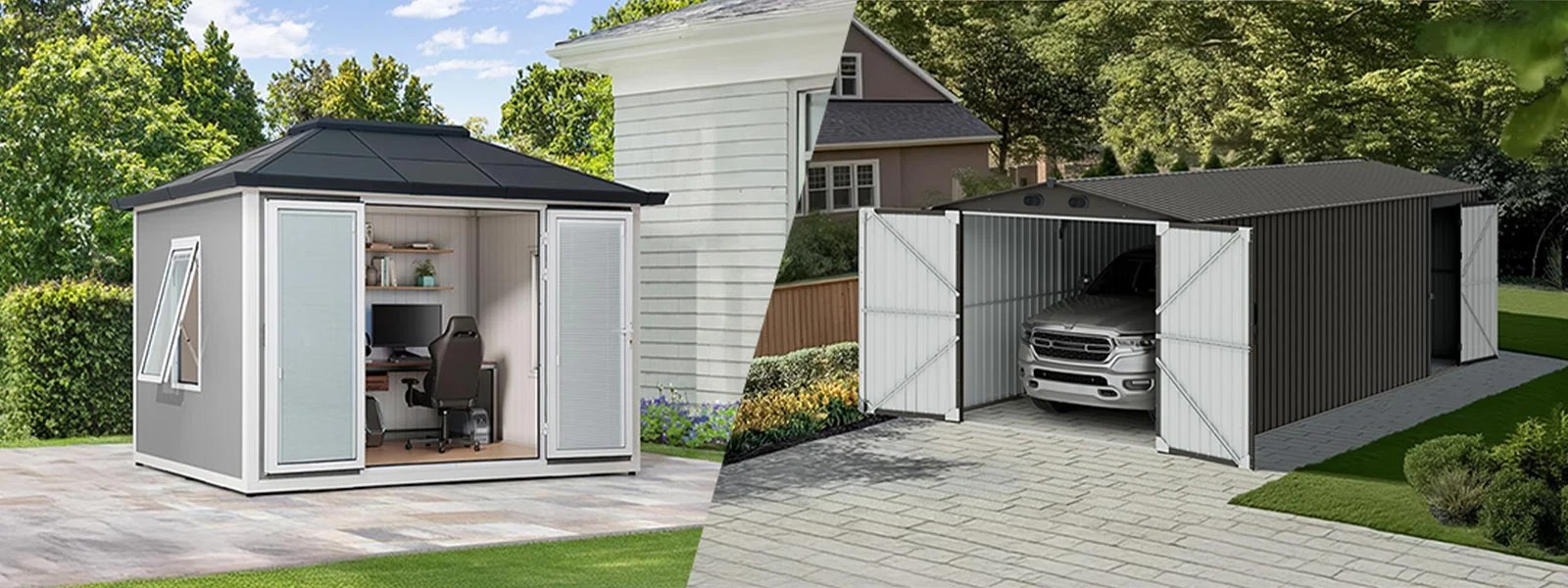
SUNJOY provides options ranging from compact 10×12 structures to larger 13×20-foot formats, with weather-resistant steel, wood, and aluminum choices across its shed range. Wide lockable doors, sliding mechanisms, and ramped entries can further affect how practical a structure becomes once fitness equipment is installed. Ultimately, the right budget comes from matching the building, site preparation, interior upgrades, and equipment plan to the intended workout experience rather than relying on the structure’s sticker price alone.
